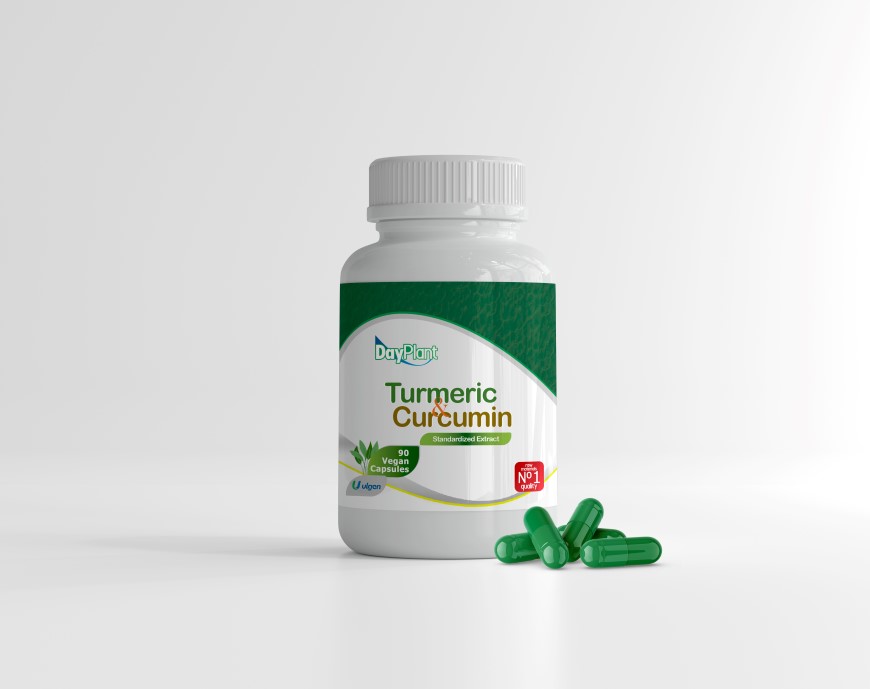



Description
Turmeric, a spice commonly used in curry dishes, contains a compound called curcumin, which is known for its powerful anti-inflammatory and antioxidant properties. Here are some key benefits of turmeric and curcumin:
- Anti-Inflammatory Effects: Curcumin has been shown to reduce inflammation by inhibiting inflammatory pathways in the body. This can help alleviate symptoms of inflammatory conditions such as arthritis.
- Antioxidant Properties: Curcumin is a potent antioxidant that helps neutralize free radicals, which can damage cells and lead to chronic diseases such as cancer and heart disease.
- Improved Brain Function: Curcumin may enhance brain function and reduce the risk of neurodegenerative diseases like Alzheimer’s. It can also help improve mood and reduce symptoms of depression.
- Heart Health: Curcumin may improve heart health by improving endothelial function, lowering inflammation and oxidation, and reducing the risk of heart disease.
- Cancer Prevention: Some studies suggest that curcumin may have anti-cancer effects, inhibiting the growth and spread of cancer cells and even promoting the death of cancer cells.
- Digestive Health: Curcumin can help improve digestion by stimulating the gallbladder to produce bile, which aids in the digestion of fats. It may also help reduce symptoms of irritable bowel syndrome (IBS).
- Joint Health: Curcumin’s anti-inflammatory properties can help reduce joint pain and stiffness in conditions like osteoarthritis.
Turmeric can be consumed fresh, dried, or as a supplement. To enhance its absorption, it is often recommended to consume turmeric with black pepper, which contains piperine, a compound that improves curcumin absorption.