5-HTP May Benefit Weight Loss, Mood Levels & Sleep

Low levels of the neurotransmitter serotonin are thought to contribute to a range of mental and physical health problems — such as depression, insomnia and obesity — so raising levels seems to be one way in which these issues can be managed. One potential way to support the body’s synthesis of serotonin is by taking 5-HTP supplements.

A hormone that regulates many of the body’s functions, serotonin affects our mood, appetite, sleep and much more. While research regarding its effectiveness has been mixed overall, 5-HTP benefits may include helping reduce overeating and weight gain, sleep-related issues, anxiety, chronic pain and more.

What Is 5-HTP?
5-HTP (which stands for 5-hydroxytryptophan) is a precursor to the neurotransmitter serotonin. It is made from the amino acid (the “building blocks of proteins”) tryptophan.

Tryptophan first gets converted into 5-HTP via the enzyme tryptophan hydroxylase, and then 5-HTP gets converted into serotonin via the enzyme L-amino acid decarboxylase.

What does 5 HTP do for your body? It primarily works by increasing synthesis of serotonin, a “feel good” neurotransmitter. This is why it can potentially have positive effects on one’s mood, energy levels, motivation, appetite, sleep and nervous system function.

While serotonin itself cannot be taken in supplement form because it can’t cross the blood-brain barrier, taking 5-HTP is a way to provide the body with resources to make more of its own.

In supplement form it goes by a number of other names, including Griffonia plant seed extract, Griffonia simplicifolia and oxitriptan.

Most often 5-HTP supplements are taken to help treat symptoms and conditions such as:

Sleep disorders, including insomnia
Mood-related issues, like depression and anxiety
Headaches and migraines
Obesity and overeating
Pain, including from fibromyalgia and PMS or premenstrual dysphoric disorder (PMDD)
ADHD symptoms
Parkinson’s disease symptoms and other neurological issues
Alcoholism withdrawal symptoms
Seasonal affective disorder
Benefits
1. Potentially helps promote weight loss
Some studies have demonstrated that 5-HTP might help promote weight loss by boosting satiety and reducing appetite and caloric intake among obese adults.

In one study, when a 5-HTP spray (containing other extracts) was taken for four weeks by postmenopausal women who were overweight, it helped increase weight loss significantly and reduce participants’ body mass indexes.

Another study that involved having participants take 750 milligrams of 5-HTP for two weeks found that supplementation was associated with less food, especially carbohydrates, and minor weight loss.

2. Can help manage anxiety and depression
While it doesn’t work for everyone, there’s evidence suggesting that 5-HTP supplements can help decrease feelings of stress, depression, anxiety symptoms and panic attacks in some people.

One study that involved 15 female subjects found that combining 5-HTP with creatine helped improve symptoms of depression after 8 weeks.

Why is 5 HTP good for anxiety? It can help boost serotonin synthesis in the brain. This can have a significant impact in some but won’t necessarily work better than prescription medications in others.

How does it compare to SSRI medications (used to treat anxiety/depression symptoms)? SSRIs work not by increasing serotonin production, but by conserving serotonin that’s already in the brain by preventing enzymatic degradation of synaptic serotonin. On the other hand, 5-HTP can help the brain produce more serotonin.

Many times doctors recommend that people use 5-HTP along with other antidepressant substances or medications for extra support. 5-HTP may also be used by people who are SSRI-resistant against depression.

Regardless, a 2020 review and meta-analysis concluded that more research was necessary.

3. May help improve sleep quality
Does 5 HTP make you sleepy? It doesn’t work like sleep-inducing medications, which can make you feel very drowsy, but it may help you to feel more relaxed — which allows you to sleep more easily.

It’s been found that it works especially well for combating insomnia when taken with GABA and valerian root, which also have calming effects. This combination may decrease the time needed to fall asleep.

One way in which it can promote better sleep is via the conversion of serotonin to melatonin, a hormone that is important for regulating your circadian rhythm (your “internal clock”).

4. Can reduce pain and fibromyalgia symptoms
While there isn’t any known cause of fibromyalgia, it is often associated with low levels of serotonin.

Some research has uncovered evidence that 5-HTP, taken in doses of at least 100 milligrams a day, three times daily, can help decrease a number of fibromyalgia symptoms, such as pain, tenderness, anxiety, fatigue and stiffness. In one study, a “fair” clinical improvement was seen in nearly 50 percent of the patients during the treatment period.

For the most benefits, it’s thought that supplementation should last for at least several weeks to several months. Regardless, more research is needed.

5. Help reduce migraine heachaches
5-HTP may also help mitigate migraine symptoms in some subjects. Migraines are another condition that is thought to possibly be triggered by serotonin levels.

One study found that supplementing led to a significant improvement in 71 percent of participants who were treated with 5-HTP. Like other potential benefits, more studies are necessary.
Fish Oil Benefits for Cancer, ADHD, Pregnancy & More

Out of 12 dietary, lifestyle and metabolic “preventable causes of death” that were examined in a 2009 study, omega-3 fatty acid deficiency ranked as the sixth highest killer among Americans. Research shows that omega 3-fatty acids, which can be obtained from taking fish oil and consuming fish, can help ward off a number of common causes of death, such as heart disease and stroke.

What are the benefits of fish oil? Studies suggest these include decreasing the risk of not only cardiovascular diseases, but also symptoms of depression, hypertension, attention deficit hyperactivity disorder (ADHD), joint pain, arthritis and chronic skin ailments like eczema.

Fish oil intake has also been associated with aiding the body in weight loss, fertility, pregnancy and increased energy. Prescription fish oil has even been approved by the U.S. Food and Drug Administration to lower unhealthy high triglyceride levels.

Most of these fish oil benefits exist because it’s one of nature’s richest sources of omega-3 fatty acids, which have anti-inflammatory effects.

What Is Fish Oil?

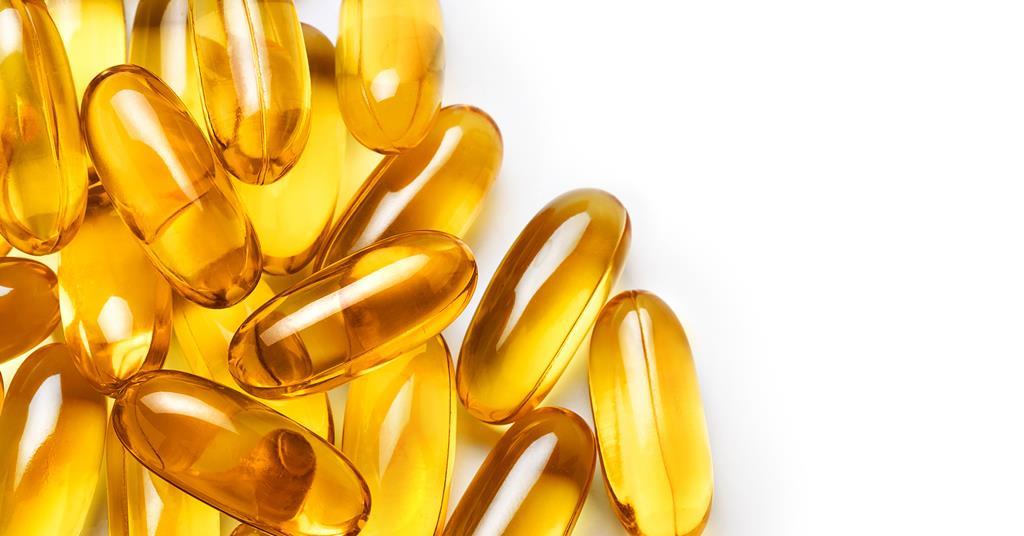
Fish oil comes from the tissues of oily fish. When it comes to human consumption of fish oil, you can get it from eating fish or from taking a supplement.

The best sources of omega-3 oils are cold-water, fatty fish, such as salmon, herring, white fish, sardines and anchovies.

Fish oil is a concentrated source of omega-3 fats, which are also called ω-3 fatty acids or n-3 fatty acids. To get more scientific, omega-3s are long-chain polyunsaturated fatty acids (PUFAs).

Our bodies are able to make most of the fats we need need, but that’s not true for omega-3 fatty acids. When it comes to these essential fats, we need to get them from omega-3 foods or supplements.

Fish oil benefits are attributed to two very important omega-3 PUFAs: docosahexaenoic acid (DHA) and eicosapentaenoic acid (EPA). DHA and EPA are sometimes called the “marine omega-3s” because they mainly come from fish.

Fish oil vs. krill oil


The types of fish that are most commonly used to make fish oil supplements include salmon, cod liver, mackerel, sardines, halibut, pollock and herring.

Krill is another small, shrimp-like creature that is used to make krill oil, another marine source of omega-3 fats. Krill oil has a red color and naturally contains astaxanthin, a type of antioxidant that is added to some fish oils.

While both fish and krill oil provide omega-3s, they are of different chemical forms. The type found in fish oil is mostly triglycerides, while the type found in krill oil is mostly in the form of phospholipids.

This seems to change how the fats are absorbed. Some research suggests that krill oil may be better absorbed than fish oil.

However, because findings have been mixed, at this time experts still tell us that there isn’t sufficient evidence to say that krill is necessarily better.

Nutrition Facts
As mentioned, the main nutritional value of fish oil is its high omega-3 fatty acid content, particularly of DHA and EPA.

Nutritional information varies by product and fish source, so you’ll want to check supplement labeling for specific details.

A one-teaspoon serving of fish oil from sardines (about 4.5 grams) typically contains approximately:

Calories: 40.6
Total Fat: 4.5 g
Saturated Fat: 1.3 g
Polyunsaturated Fat: 1.4 g
Monounsaturated Fat: 1.5 g
Vitamin D: 0.4 mcg (3% DV)
Omega-3 fatty acids: 1,084 mg (DV varies by age and gender)
Omega-6 fatty acids: 90.6 mg (DV varies by age and gender)
*Daily Value: Percentages are based on a diet of 2,000 calories a day.

Fish oil also typically contains vitamin A and other nutrients depending on the particularly fish used to make the supplement.

Benefits
1. ADHD
When it comes to mental health, what is fish oil good for? There’s some evidence suggesting that omega-3 fatty acids may help alleviate symptoms of ADHD and related developmental problems, as well as many other mood and mental health problems over one’s lifetime.

A 2012 study involving children from 6 to 12 years of age with ADHD found “statistically significant improvements” among those taking omega-3 supplements in the following categories: restlessness, aggressiveness, completing work and academic performance.

Another study found that increasing omega-3 intake, specifically DHA, may improve literacy and behavior in children with ADHD. Fish oil is believed to work via its effects on brain function, which makes sense when you consider that 60 percent of the brain is composed of fats.

2. Alzheimer’s disease and cognitive health
For several years now, the fish oil and Alzheimer’s disease connection has been studied with consistent results. The essential fatty acids vital for brain function that are found in fish oil can not only slow cognitive decline, but can help prevent brain atrophy in older adults.

A study published in the FASEB Journal found that fish oil may act as a natural weapon to help fend off the onset of cognitive decline and Alzheimer’s disease.

Another study conducted by researchers at Rhode Island Hospital that examined the relationship between fish oil supplementation and indicators of cognitive decline found that the adults taking fish oil (who had not yet developed Alzheimer’s) experienced significantly less cognitive decline and brain shrinkage compared to adults not taking fish oil.

3. Arthritis
Omega-3 supplements may help relieve symptoms of rheumatoid arthritis, especially joint pain.

One study also showed that omega-3 fish oil supplements worked just as well as non-steroidal anti-inflammatory drugs (NSAIDs) in reducing arthritic pain. Fish oil may be a safer alternative to NSAIDs when taken long term for pain management, considering it has very low risk for side effects.

4. Cancer
Scientific studies demonstrate that fish oil may help prevent and eliminate various cancers, including colon, prostate and breast. It may also make conventional cancer drugs more effective.

Intravenous fish oil lipid emulsions, in particular, are rich in omega-3 polyunsaturated fatty acids, which exhibit anti-inflammatory and immunomodulatory effects.

A scientific review published in 2013 looked at omega-3 polyunsaturated fatty acids and prostate cancer prevention. Researchers concluded that there’s a great deal of evidence suggesting that omega-3s have antiproliferative effects — which means they inhibit cancer cell growth — in cancer cell lines, animal models and humans.

Another scientific review in 2014 evaluated study findings on omega-3 intake in relation to the prevention and treatment of breast cancer, the most prevalent cancer among women. The review found that EPA and DHA, as well as ALA, can differentially inhibit breast tumor development.

According to this review, there is solid evidence to support the use of omega-3s as “a nutritional intervention in the treatment of breast cancer to enhance conventional therapeutics, or potentially lowering effective doses.”

Additionally, a 2017 study found that “very high fish consumption in early adulthood to midlife may be associated with decreased risk of breast cancer.”

Fish oil also looks to be helpful for another type of cancer experienced by women: endometrial cancer. A 2015 study published in the American Journal of Clinical Nutrition revealed that “long chain omega-3 intake associated with reduced endometrial cancer risk only in normal-weight women.”

5. Cardiovascular disease
Omega-3 fish oil has anti-inflammatory properties, which may help prevent or manage a plethora of cardiovascular diseases.

According to a 2019 systematic review, DHA (compared to EPA) seems to be an especially beneficial bioactive compound for heart, cardiovascular and brain function.

Some studies have found that fish consumption can protect against heart disease, in spite of a large intake of fat and cholesterol. Fish oil has been shown to impact on several risk factors associated with coronary heart disease, including hypertension, high levels of triglycerides and high LDL cholesterol.

Omega-3 fatty acids are also associated with improved survival rates for heart attack victims, according to some research. A study published in the medical journal Circulation showed that people who took a high dose of fish oil each for six months following the occurrence of a heart attack actually improved their hearts’ overall functioning and also reduced biomarkers of systemic inflammation.

Although the National Center for Complementary and Integrative Health reports that “research indicates that omega-3 supplements don’t reduce the risk of heart disease,” it also tells us that “people who eat seafood one to four times a week are less likely to die of heart disease.”

Fish oil also can help manage blood pressure levels, according to research.

6. Depression and anxiety
A 2017 study published in Critical Reviews in Food Science and Nutrition noted: “There is mounting evidence to suggest that n-3 PUFAs play a role in depression and deserve greater research efforts.”

Most studies suggest a small to modest beneficial effect of PUFAs on depressive symptoms compared to placebo.

Omega-3 fatty acids have been shown to be critical for development and function of the central nervous system. Evidence from randomized, placebo-controlled trials suggests deficiency of dietary in omega-3 PUFAs may contribute to development of mood disorders, and supplementation may provide a new treatment option for depression and other mood-related problems.

According to a 2017 study published in the Journal of Integrative Neuroscience, there are several mechanisms by which omega-3 PUFAs are thought to induce an antidepressant effect, including by having anti-inflammatory actions and direct effects on membrane properties in the brain.

7. Diabetes complications
A study published in Brain Research shows how far-reaching fish oil can be for people with diabetes. Researchers found that fish oil can help reduce the risk of diabetics from developing cognitive deficit because it protects the hippocampus cells from being destroyed.

The study also showed that fish oil could help reduce oxidative stress, which plays a central role in the development of diabetes complications, both microvascular and cardiovascular.

8. Eye/vision-related disorders
Studies demonstrate that a combination of lutein plus zeaxanthin and omega-3 fatty acids can help reduce age-related macular degeneration.

Results have been mixed regarding whether omega-3s can help to slow down progression of advanced macular degeneration (AMD). However, DHA is a major lipid component of retinal photoreceptors in outer segments of the eyes. It has been shown to have anti-inflammatory and anti-angiogenesis properties that can protect against AMD.

9. Skin and hair
Fish oil benefits for skin include the ability to nourish the skin with fats and fat-soluble vitamins that help maintain a smooth, elastic texture. There is also evidence that fish oil prevents signs of photoaging (wrinkles), potentially as well as skin cancer, allergic reactions, dermatitis, cutaneous wounds and melanogenesis.

One of the biggest reasons fish oil leads to healthier skin is the fact that it can reduce inflammation. Research has shown that fish oil supplements can even reduce sun-induced inflammation and provide sunburn relief.

The deficiency of EPA and DHA in diet contributes to skin conditions, such as dandruff, thinning hair, eczema and psoriasis, as well as age spots and sun spots.

In one study, individuals taking fish oil equivalent to 1.8 grams of EPA had a significant reduction in symptoms of eczema after 12 weeks. Researchers posit that these effects may be due to fish oil’s ability to reduce leukotriene B4, an inflammatory substance that plays a role in eczema.

10. Fertility and pregnancy
How might fish oil help you sexually? Recent studies have shown that the consumption of omega-3 fish oil may help improve fertility in both men and women.

One of the greatest benefits for men is due to DHA, which is a byproduct of omega-3 fatty acids that plays a key role in the mobility and health of sperm.

Fish oil has also been shown to support fertility in women by reducing inflammation, balancing hormones and regulating their cycles. It may also be helpful in the treatment of conditions like polycystic ovarian syndrome and endometriosis, which can cause infertility.

Fish oil is also extremely beneficial for pregnant women and their children. Throughout pregnancy and also while breastfeeding, a woman’s omega-3 needs are even higher than usual.

According to the American Pregnancy Association, most U.S. women are deficient in EPA and especially DHA going into pregnancy and get even more depleted during pregnancy, as the placenta supplies the fetus with DHA from the mother’s tissue.

Omega-3 DHA is a critical building block of the fetal brain, eyes and nervous system. Once the baby is born, omega-3s continue to be vital to healthy brain development and immune function.

Omega-3 fatty acids also seem to reduce the chance of premature delivery. EPA and DHA intake can help support healthy labor and delivery outcomes.

This omega-3 duo also helps normalize mood and overall well-being in the mother after giving birth.

11. Weight loss/management
Australian researchers published results of a study examining the effects of fish oil on weight loss in combination with diet and exercise in the May 2007 issue of the American Journal of Clinical Nutrition. The results showed that a combination of fish oil supplements and regular exercise can reduce body fat while also improving heart and metabolic health.

The fish supplementation group had lowered triglycerides, increased HDL cholesterol and improved blood flow. Overall, adding fish oil to a current exercise program (and an overall healthy lifestyle) looks like it can decrease body fat as well as cardiovascular disease risk.

Another small study had all volunteers consume the same exact control diet and substituted fish oil for visible fats (things like butter and cream). The volunteers consumed six grams of fish oil each day for three weeks.

Researchers found that body fat mass decreased with the intake of fish oil.

The researchers concluded that dietary fish oil reduces body fat and stimulates the use of fatty acids for the production of energy in healthy adults. This means it may also be helpful for those looking to improve their body composition via exercise and bodybuilding.

12. Bones and muscles
A 2020 meta-analysis sought to evaluate the effect of omega-3 fatty acids on “sarcopenia-related performances among the elderly.”

By examining a series of randomized, controlled trials, researchers found there were minor benefits for muscle mass gain and improved walking speed for people who consumed at least two grams of omega-3 supplements daily, particularly when supplementing for more than six months.

Further research seems to confirm these findings, with a 2023 systematic review relaying that “the majority of the study results appeared to indicate that omega-3 fatty acids are beneficial for muscle health.”

In addition, a 2013 study found that omega-3 consumption may benefit bone mineral density, particularly in the spine, in older adults. Another study published in 2021 found that habitual use of fish oil supplements can reduce the risk of fractures, particularly in people predisposed to fracture risk.

However, experts note that the benefits of fish oil for skeletal and bone health depend on the EPA and DHA content in the supplement.

13. Liver health
Several studies have shown that fish oil and omega-3s can help protect the liver and improve symptoms of non-fatty alcoholic liver disease (NAFLD). For instance, a 2019 analysis provided the following conclusion: “These studies suggest that dietary supplementation with C20–22 ω3 PUFA should be considered as a viable and effective option to lower liver fat in obese adults and children with NAFLD.”

Meanwhile, a 2020 double-blind, randomized, placebo-controlled clinical trial saw the PUFAs in fish oil “were effective in reducing [alkaline phosphatase] and liver fibrosis without altering the expression of circulating miR-122 in individuals with NAFLD.”

Finally, a 2022 study found that fish oil supplementation was able to help improve liver damage in people with NAFLD.

Deficiency
Many of Americans’ health problems can be traced back to having an omega fat imbalance, specifically of omega-3 and omega-6 fats. Omega-6 fats aren’t necessarily bad for you, but if they’re consumed in large amounts without omega-3s they can cause inflammation, which leads to chronic illness.

Today, the average American has a 20:1 ratio of omega-6 to omega-3s, when a healthy ratio is more ideally around 4:1 or even better yet 2:1. Put in other numerical terms, the typical American diet tends to contain 14 to 25 times more omega-6 fatty acids than omega-3 fatty acids.

The biggest cause of omega-3 deficiency is the overconsumption of foods high in omega-6 fatty acids. Omega-6 comes from things like fried foods, fast foods and boxed foods that contain vegetables oils (like soybean oil, canola oil, sunflower oil, cottonseed oil and corn oil).

Research has shown that having a lower ratio of omega-6/omega-3 fatty acids can reduce the risk of many common chronic diseases, including ADHD, asthma, arthritis, autoimmune diseases and more.

Dosage Recommendations
The best way to achieve a good balance of omega-3 and omega-6 is by getting fish oil from wild-caught fish, such as salmon. However, it is also beneficial for some people to supplement with a high-quality omega-3 fish oil or cod liver oil.

How much fish oil should you take per day?

Currently, there isn’t a set standard recommendation for how many omega-3s we need each day, but suggestions range from a fish oil dosage of 500 to 1,000 milligrams daily.
How easy is it to get these recommended amounts? To give you an idea, there are more than 500 milligrams of total omega-3s in one can of tuna fish and one small serving of wild-caught salmon.
Ideally aim to eat at least two servings of fatty fish each week to fulfill your omega-3 needs. This is a recommendation that is encouraged by organizations such as the American Heart Association.
If you’re not able to get enough fish oil benefits through your diet, fish oil pills can be a good option. When taking fish oil, more is not always better. Remember that you want it to stay in a balanced ratio with omega-6 fats.
When should you take fish oil supplements? The time of day is not important, so take it when it’s most convenient, ideally with a meal.
Risks, Side Effects and Drug Interactions
Omega-3s from supplements usually produce only mild side effects, if any at all, when taken at recommended doses.

The American Heart Association considers taking up to three grams of fish oil per day safe. It advises that patients taking more than 3 grams of omega-3 fatty acids from capsules should do so only under a physician’s care.

Most physicians would say that taking more than two grams (or 2,000+ milligrams) daily is a mega dose.

While they are generally tolerated well, fish oil side effects can include:

belching
bad breath
heartburn
nausea
loose stools/diarrhea
rash
nosebleeds
Taking a high-quality supplement may reduce the likelihood of any unwanted side effects. It’s also a good idea to take fish oil pills with meals to reduce side effects.

Before taking this product, you should speak with your doctor if you currently take any medication or have any ongoing health concerns. You should also speak to your doctor if you have a known fish or shellfish allergy.

If you have a bleeding disorder, bruise easily or take blood-thinning medications, you should use these supplements with extra caution, since large doses of omega-3 fatty acids can increase bleeding risk. This bleeding risk also applies to people with no history of bleeding disorders or current medication usage.

If you have type 2 diabetes, you should only use supplements under your doctor’s supervision. Individuals with type 2 diabetes can experience increases in fasting blood sugar levels while taking fish oil supplements.

Avoid low-quality supplements
Also, not all fish oils are created equal. Most fish oils are highly processed and can oxidize easily because omega-3 fats are polyunsaturated, have a low heat threshold and can easily go rancid.

For that reason, you want to buy a fish oil in triglyceride form that also contains antioxidants to preserve them, like astaxanthin or essential oils.

A high percentage of omega-3 oils on the market today may contain mercury and pesticide residues plus hydrogenated oils.
Look for astaxanthin as part of any high-quality fish oil supplement.
To avoid supplements containing mercury or other harmful contaminants, purchase supplements from a reputable source that clearly tests for these health-hazardous contaminants in its products. These tests should be ideally conducted by a third-party, and a certificate of analysis should indicate the levels of purity from environmental toxins.
Is fish oil for dogs and pets safe?
Just like with humans, omega-3 fats found in fish have been shown to have beneficial effects in treating illnesses in dogs and pets, according to PetMD. Research suggests that omega-3s for dogs can help with the treatment of infections, cancer, joint, heart, kidney, skin and gastrointestinal problems, in addition to having positive effects on wound healing, skin health and coat quality.

However, too much may have adverse effects on health. The National Research Council has established a “safe upper limit” of EPA and DHA for dogs, which is a daily dose between 20–55 milligrams per pound of body weight (of combined EPA and DHA).

In order to prevent side effects like digestive upset, stick to giving your dog no more than this amount.

Final Thoughts
Omega-3 fatty acids are essential to our health, but our bodies cannot make them so we must get them from our diets. If diet is not enough to meet your needs, then a high-quality fish oil supplement is the next best option.
Fish oils supplements can be used as prevention to health problems as well as a treatment. Scientific studies have and continue to back up all of the incredible benefits of fish oil, ranging from helping with eczema and fertility to heart disease and many types of cancer.
The best fish oil supplements are ones manufactured under strict standards with thorough testing for health-hazardous contaminants like mercury.
Currently, there isn’t a set standard recommendation for fish oil dosage, but most suggestions tell us to aim for a daily dose that provides between 500 to 1,000 milligrams of omega-3s.

PQQ Supplement: Brain-Boosting, Life-Extending Benefits?

Tiny but incredibly potent, most people are completely unaware of the existence of the PQQ (pyrroloquinoline quinone) supplement, let alone the myriad of health benefits that it can provide. Besides bumping up energy levels, preliminary research suggests that this compound could also aid in disease prevention, reduce oxidative stress and even act as a natural sleep aid.

In fact, a 2021 Biomolecules study showed that pyrroloquinoline quinone was more than an antioxidant and had strong potential as a therapeutic nutraceutical. In fact, research indicated that PQQ may serve as an essential vitamin-like factor.

Available at health stores and pharmacies across the globe in supplement form, PQQ can also be found in right on your plate in some of the foods you may already regularly enjoy.

Here’s what you need to know about this health-promoting compound, plus how you can get more of it in your diet.

What Is PQQ?
Pyrroloquinoline quinone, also known as PQQ, is a compound found naturally in the soil and certain foods that is believed to help aid in the formation of new mitochondria cells. It’s also produced naturally in your body from other amino acids and found in your tissues and bodily fluids.

PQQ was originally isolated in 1979 and was found to be a cofactor for many enzymatic reactions in bacteria. Researchers later began conducting experiments on pigs and discovered that PQQ had a similar role in many different mammals. Animal studies later revealed that a deficiency in PQQ can impair growth and reproduction in rats.

Found naturally in human breast milk as well as tissues, bodily fluids and certain types of food, humans are also able to synthesize a small amount of PQQ from amino acids in the body. PQQ is considered a non-vitamin growth factor, which is why it’s so critical for growth and development.

PQQ can bring some serious benefits when it comes to your energy, as the mitochondria acts as the battery of the cell and is responsible for generating power. In fact, you can often find PQQ and CoQ10 combined in supplements that are aimed at amping up energy levels and extending the life span.

PQQ also has antioxidant properties, and taking a PQQ supplement is believed to help reduce inflammation, boost brain power and even lower cholesterol levels — as well as provide a host of other powerful health benefits.

Benefits
1. Relieves inflammation
Acute inflammation is a normal response by the immune system that helps fight off foreign invaders and reduce the risk of infection. Chronic inflammation, on the other hand, can have a detrimental effect on health. In fact, it’s believed that inflammation is at the root of disease and may contribute to chronic conditions like cancer, heart disease and diabetes.

PQQ has antioxidant properties that can help neutralize harmful free radicals to prevent cell damage and inflammation. In fact, research published in the Journal of Nutritional Biochemistry showed that PQQ supplementation resulted in significant decreases in many markers of inflammation after just three days.

In the studies, five men and five women drank a fruit-flavored beverage that was supplemented with PQQ, resulting in potential changes in antioxidant potential.

2. Enhances brain function
Although many people start taking a PQQ supplement looking to fight fatigue and kick up energy levels, some research has found that PQQ may actually have a beneficial effect on brain power as well.

A 2016 study found that PQQ was able to increase blood flow to the brain, which could help protect against cognitive decline and dementia in the elderly. In the randomized, placebo-controlled, double-blind study, conducted in Japan, 41 healthy elderly people were either given an oral PQQ supplement or a placebo for 12 weeks. The researchers ultimately concluded that “the results suggest that PQQ can prevent reduction of brain function in aged persons, especially in attention and working memory.”

Similarly, an animal study published in the Journal of Clinical Biochemistry and Nutrition showed that PQQ helped prevent neurodegeneration and improved memory in rats thanks to its ability to decrease oxidative damage in the cells.

3. Reduces oxidative stress
PQQ has powerful antioxidant properties, which can help protect the cells from oxidative stress and damage caused by the buildup of harmful free radicals. This could have far-reaching benefits, as studies show that antioxidants play a central role in health and disease.

Multiple studies have confirmed the ability of PQQ to protect against oxidative stress. One test-tube study from Hokkaido University in Japan showed that PQQ helped prevent the death of neuron cells caused by oxidative stress, which could potentially benefit neurological disorders like Parkinson’s disease.

Another animal study found that PQQ could reduce the risk of osteoporosis by inhibiting DNA damage, reducing cell death and blocking oxidative stress in mice.

4. May extend life span
Impressively, some studies have actually found that taking a PQQ supplement may have benefits beyond brain health, disease prevention and energy production. In fact, promising new research shows that PQQ could even act as a life extender to help you live longer.

PQQ is integral to the function of the mitochondria, which may be involved in controlling both longevity and the aging process. One animal study published in Experimental Gerontology found that supplementation with PQQ was able to reduce oxidative stress and increase longevity in roundworms.

Keep in mind, though, that current research is limited to test-tube and animal studies, and more studies are needed to evaluate the effects of PQQ on longevity in humans.

5. Promotes mitochondrial function
One of the primary benefits of PQQ is its effect on the mitochondria, which is the organelle that provides energy to the cells. In fact, it’s often combined with other energy-enhancing compounds like CoQ10 to help enhance mitochondrial health.

It works by stimulating mitochondrial biogenesis, or the production of new mitochondrial cells. According to an animal study published in PLoS One, a deficiency in PQQ can actually impair mitochondrial function.

Symptoms of mitochondrial dysfunction can include decreased growth, muscle weakness, neurological problems, gastrointestinal issues and an increased risk of infection.

6. Decreases cholesterol
Cholesterol is a waxy substance found throughout the body that is absolutely essential to health. It makes up the foundation of your cell membranes and is used for the production of hormones, fat-soluble vitamins and bile acids. However, having too much cholesterol can start to clog up your blood vessels, forcing your heart to work harder to pump blood and increasing your risk of heart attack and stroke.

Some studies suggest that taking a PQQ supplement could help keep your cholesterol levels in check to reduce your risk of heart disease. A study out of Japan, for example, showed that supplementing with pyrroloquinoline quinone disodium salt significantly lowered levels of bad LDL cholesterol in 29 adults.

7. Improves sleep
If you’re constantly waking up and still feeling totally drained, PQQ may be able to help. Not only has it been shown to improve sleep quality, but it may also help you fall asleep and stay asleep for longer.

In one study published in Functional Foods in Health & Disease, taking PQQ for eight weeks improved multiple measures of sleep quality, including sleep duration, sleepiness at awakening and the amount of time it took to sleep, in 17 adults.

PQQ Foods and Sources
Although PQQ is available in supplement form to get in a quick and concentrated dose, you can also get pyrroloquinoline quinone from natural food sources. It’s found in most foods but is especially high in certain types of fruits and vegetables, as well as some fermented foods like natto and miso.

Here are some of the best sources of PQQ that you should consider adding to your diet:

Natto
Parsley
Green pepper
Kiwi
Papaya
Spinach
Fava bean
Carrot
Miso
Potato
Sweet potato
Cabbage
Banana
Tomato
Egg yolk
Orange
Celery
Recommended Dosage
If you’re looking to enhance your health, prevent chronic disease and increase your energy levels, upping your intake of PQQ may help. The easiest way is to add more PQQ-rich foods like natto, kiwi and parsley into the mix. If you want to kick up your PQQ intake even more, you can also consider taking a supplement.

To find the best PQQ supplement, be sure to buy from a trusted and reputable brand and opt for a product that is extracted from fermented bacteria over types that have been synthetically produced in a lab.

Note that there is no set PQQ dosage as of yet, but some studies indicate that it can be beneficial in doses as low as two milligrams. Most supplements, however, are found in dosages between 20–40 milligrams, which is generally considered safe and effective for most people. Start at the lower end of the spectrum, and increase your dosage slowly to assess your tolerance. Of course, first discuss with your healthcare professional.

High doses of PQQ have been shown to cause negative side effects in animal studies, with one study showing that 11.5 milligrams per kilogram of body weight had toxic effects on the kidneys in rats. Avoid taking extremely high doses to prevent potential adverse health consequences.

Risk Factors and Side Effects
If consuming PQQ from food sources, there is minimal risk of negative side effects. If taking a PQQ supplement, on the other hand, there are some potential PQQ side effects that need to be considered.

First of all, PQQ supplements have not been studied in women who are pregnant or breastfeeding. It’s best to stay on the safe side and stick to food sources of PQQ rather than supplements to prevent negative symptoms.

The most commonly reported PQQ side effects include headaches, drowsiness and fatigue. Extremely high doses of PQQ can also be dangerous and have actually been associated with some serious and potentially life-threatening effects on health.

To minimize the risk of side effects, it’s best to use only the recommended dosage. If you do experience any PQQ side effects, decrease your usage and consult with your healthcare professional if symptoms persist.

Conclusions
Pyrroloquinoline quinone, or PQQ, is a type of non-vitamin growth factor found naturally in the soil and certain foods. It’s also produced in the body and is found in human tissue.
It works by promoting the synthesis of new mitochondrial cells, which help provide energy to your cells.
PQQ has been shown in human, test-tube and animal studies to potentially improve sleep, lower cholesterol levels, reduce oxidative stress, extend life span, boost brain function and relieve inflammation.
Some of the best natural sources of PQQ include natto, kiwi, parsley, green peppers, papaya and spinach, along with an assortment of other fruits and vegetables. It’s also available in supplement form.
For best results, try upping your intake of whole foods that are rich in PQQ to enhance the health of your mitochondria and take advantage of the many benefits of PQQ.